What to send
Product and intended use, material and construction, dimensions or weight, variants, quantity unit, set contents, branding, packaging and any drawing or reference revision.
FREE sourcing support for qualified business buyers, with an eligible benefit of up to 3%. Eligibility applies to qualified business buyers and is confirmed after we review your product, quantity, destination, and sourcing requirements.
Requirement intake
Send a business requirement that identifies the product, measurable configuration, variant quantities, packaging, US destination, timing and the questions a supplier must answer.
Product and intended use, material and construction, dimensions or weight, variants, quantity unit, set contents, branding, packaging and any drawing or reference revision.
State the US destination, preferred trade-term discussion, target timing, currency, optional per-unit or complete-order budget and whether premium, mid-range, budget or undecided options should be compared.
List exact-item documents, construction details, sample checks, labeling points or pack records you want requested. Supplier files remain subject to applicability review.
Contact route
No public office address, telephone line, direct email or social account is configured in the current project data, so we do not invent one. Use the inquiry form as the documented contact path. After submission, the next step is to clarify missing specification and scope fields before possible suppliers are asked to respond.
We cannot promise a fixed response or delivery time because product complexity, unanswered questions and supplier availability vary. If drawings or artwork are relevant, mention them in the requirement; the coordination path can identify how to exchange files after contact. The website does not provide an upload field.
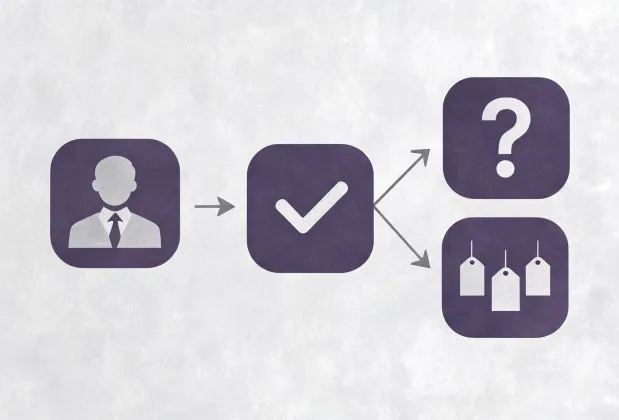
Buyer brief → scope check → supplier questions → comparable responses
A usable message states the exact quantity unit. For example, distinguish pieces, sets, dozens and cases; for a case request, state inner and outer pack counts when known. Unknown values can be marked for supplier confirmation.
An open material, dimension, pack or freight question remains an open point; it is not silently replaced with a generic assumption.
If a supplier proposes another configuration, it should be identified as an alternative so it is not compared as though it matches the original requirement.
Coordination supports the decision record. The buyer approves the chosen product and commercial terms; suppliers confirm their proposed item and scope.